Our mission is to honor and preserve Bert and Hiroko’s home and the art created there while spreading his vision of peace and harmony with nature. Meet Bert and read more about his remarkable world of wonders…
Born in 1933 in New York, Bert Hubbell, younger brother to the world-renowned artist James Hubbell, spent his early years in the United States and eventually studied philosophy in college. He was drafted into the Army to fight in the Korean War in 1953 at 20 years old. After his service, his life took a decisive turn eastward. In 1958 he moved to Yokohama, Japan where he met and married his wife, Hiroko, beginning a lifelong partnership rooted in art, place, and shared purpose.
Bert held a deep and unwavering opposition to nuclear weapons. The threat of nuclear warfare troubled him profoundly, and he joined public protests calling for peace. This conviction became one of the central forces shaping both his artistic vision and the course of his life.
In 1968, Bert and Hiroko purchased property next to a lake near the base of the sacred Mount Fuji. There, surrounded by dense ancient forests and the crisp mountain air, they created their home, and Bert devoted himself to art for the rest of his life. They lived in a reconstructed traditional Japanese farmhouse that blended rustic simplicity with artistic devotion. On the property, Bert built three cave-like kiln structures where he shaped and fired his clay figures, sculpting over 28,000 figures over the course of his life. He built with the land in a sense, not on it, much like James. Reflecting on his craft, Bert once wrote, “Sculpture is the language I use to express what I feel inside.” Instead of choosing to sell any of his creations, he devoted his work to the concept of Tsukuri, the Japanese belief that creation is a sacred act. This philosophy values intention, shaped by patience, and is softened by a deep harmony between the maker and the material. Here, the journey is not merely a means to an end, but a thing of beauty in itself—each moment of effort carrying its own quiet grace. And within every finished piece, something unseen lingers: the maker’s spirit, gently woven into form, living on in silence. Regarding this sentiment, he wrote:
A Prayer Earth…
figures in earth are forms in heart
born in air, everything hand
the past is present is future
earth is a prayer inside.
Vision Statement: A Shrine to Mt. Fuji
Bert’s spirit of his work lives on. Today, our mission is to preserve Bert and Hiroko’s home and the art created there, preserving the quiet sanctuary they built with such care. By sharing the work and the philosophy that inspired it, we hope to carry forward his enduring message—one of peace, reverence for nature, and the living spirit that connects all things.
At this time, the property is not open to the general public unless you are a personal acquaintance. In that case, please use the contact form here. The future of the property and all the art is still in question. If you have contacts in Japan that might help or have suggestions on this project, please do let us know. Looking toward the future, our goals include eventually hosting art and education classes, workshops, and tours involving the arts, sustainability, and natural building with a focus on recreation and immersion in nature. We hope to foster collaborations with like-minded organizations, supporting preservation through fundraising, and carrying out thoughtful repairs to the home so that this special place may continue to inspire generations to come. Please consider a donation to help us secure and preserve the property and artwork.
Learn about the parallel lives that the two brothers were living here.
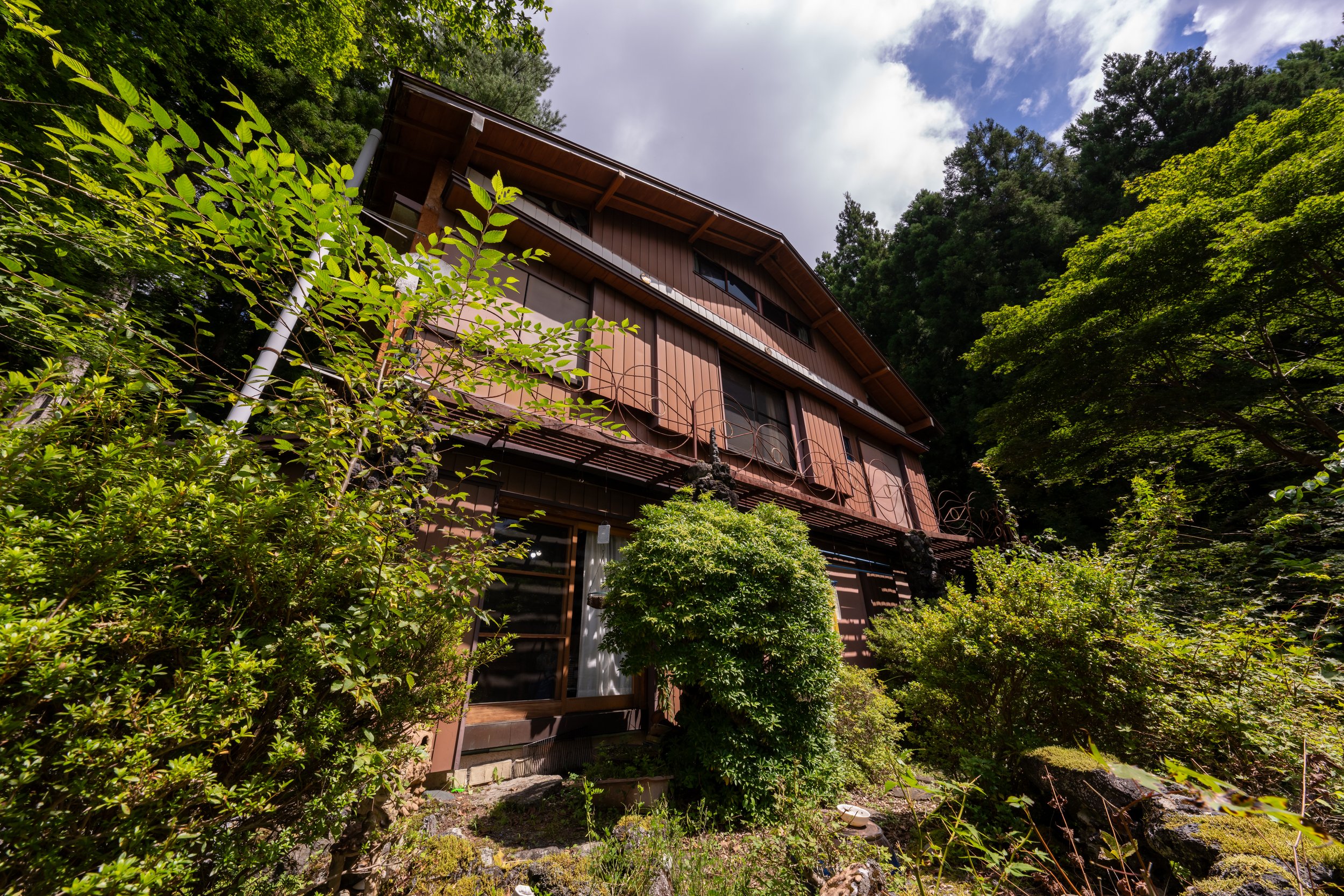
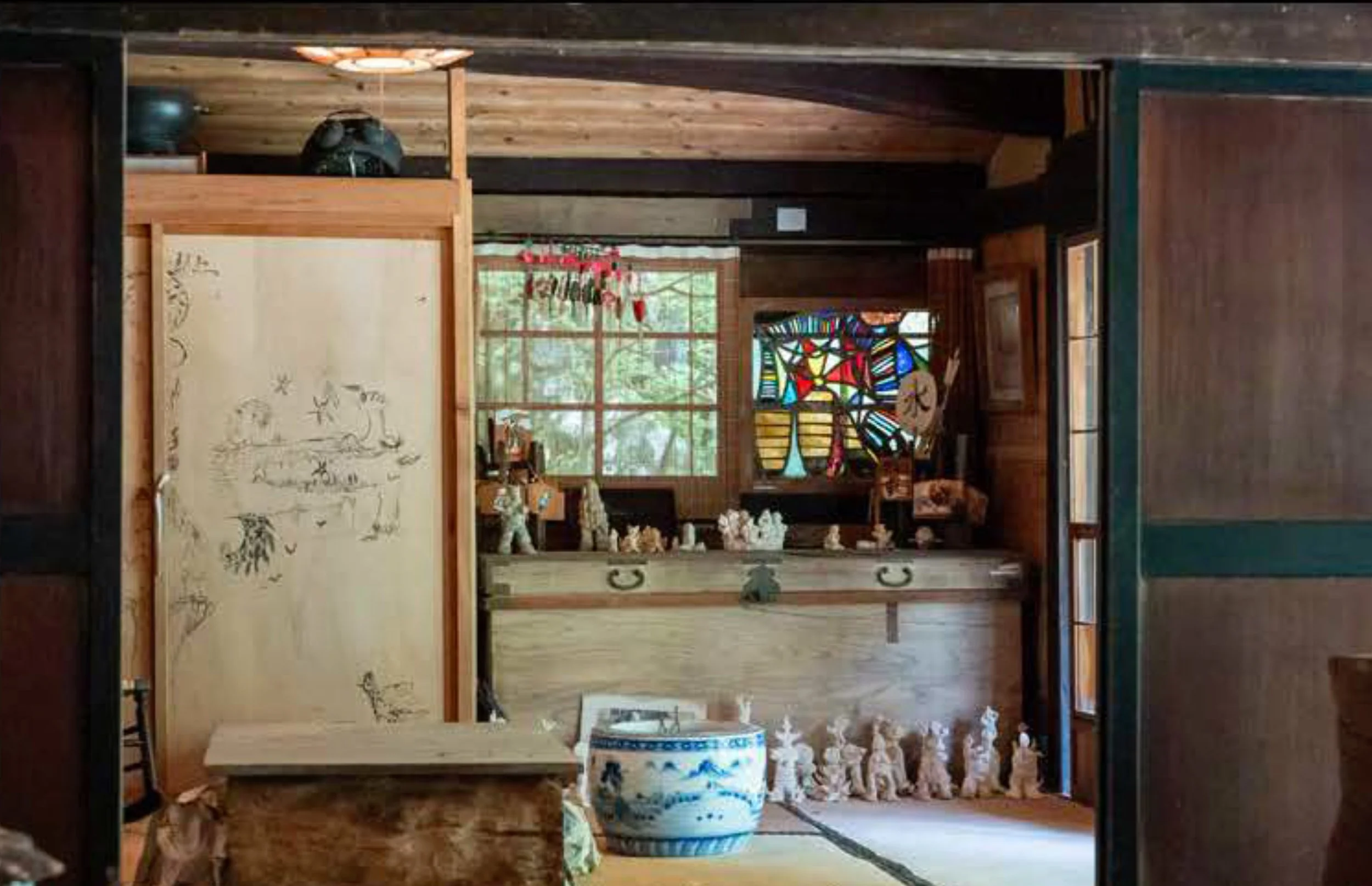
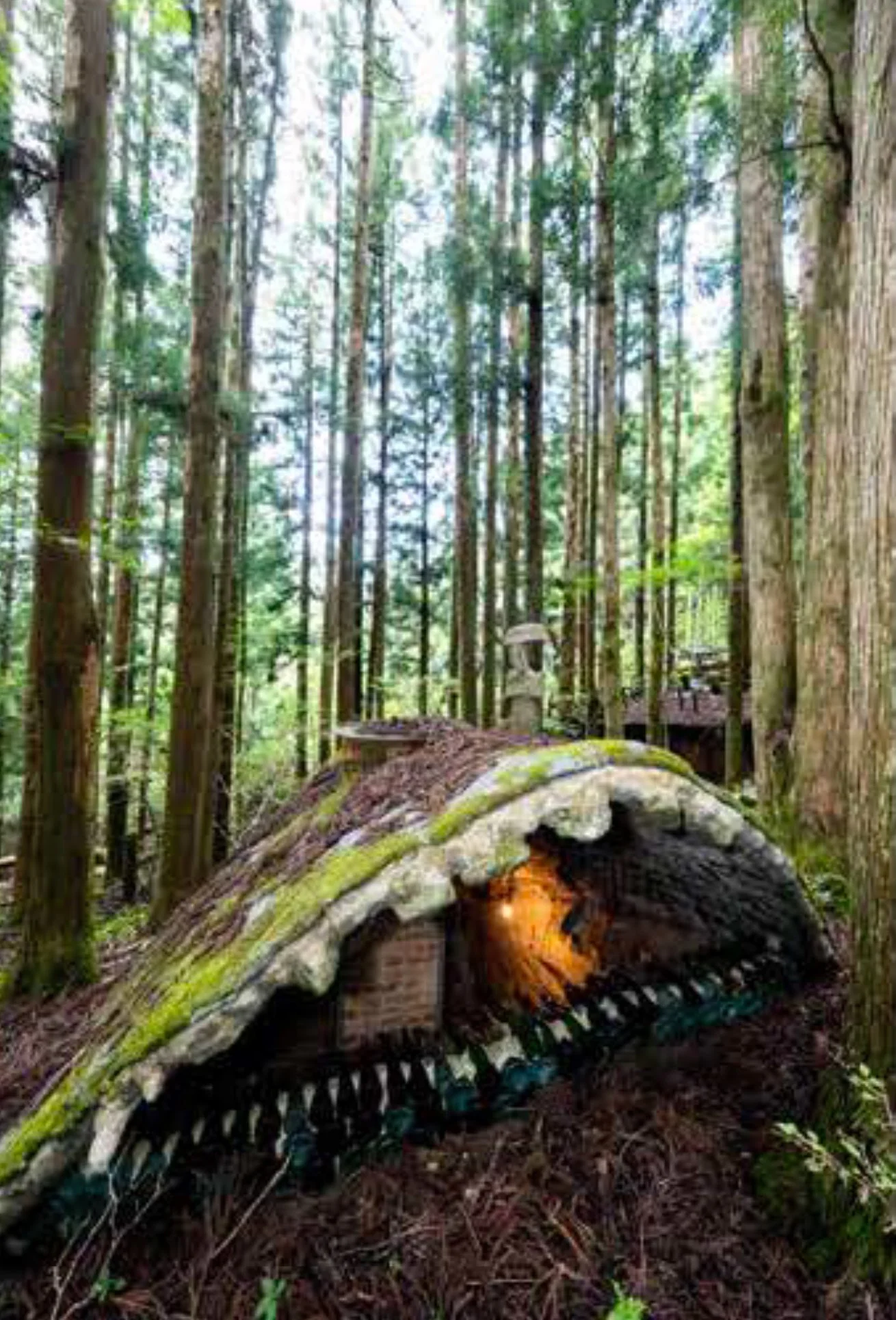
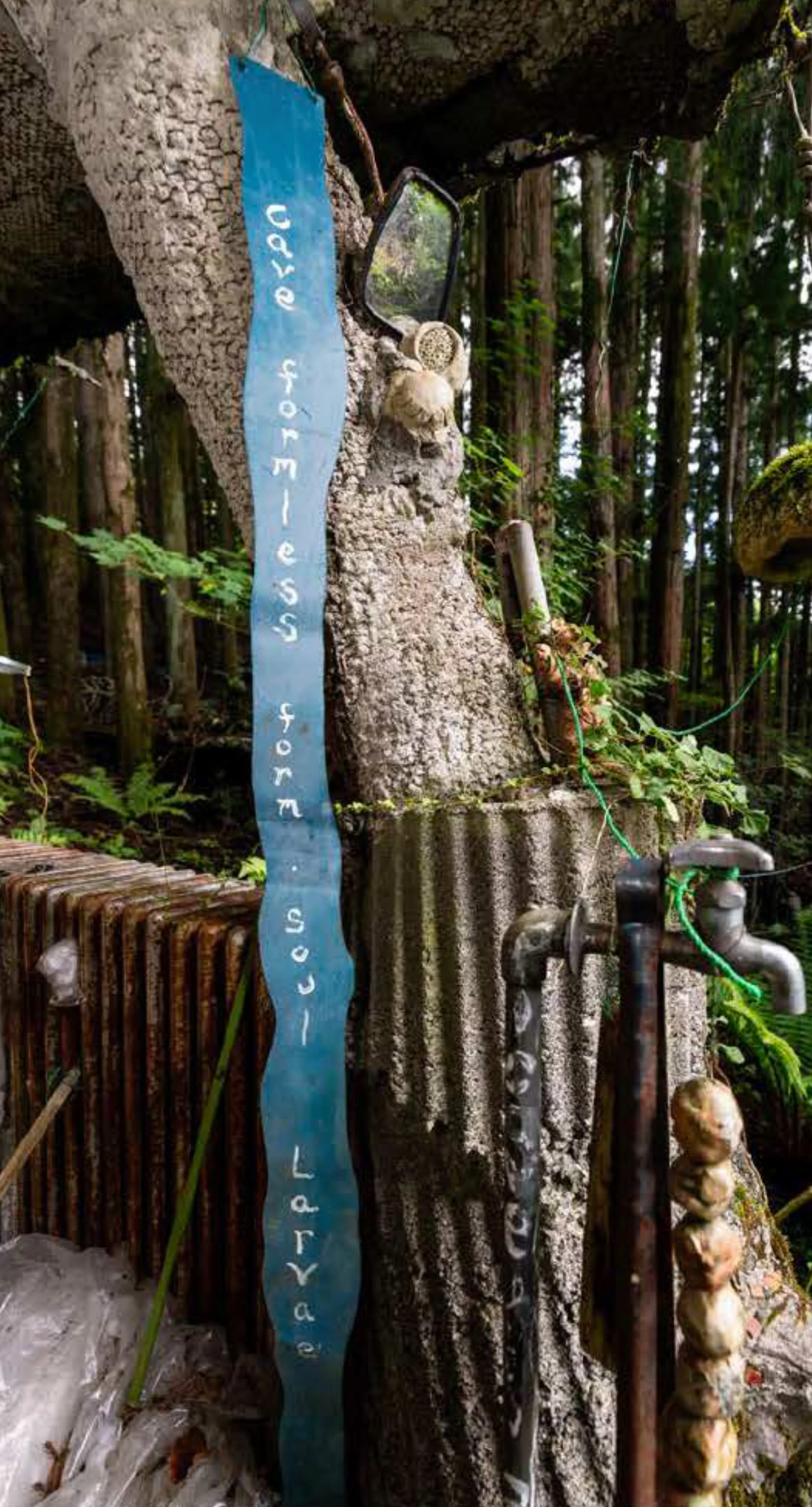
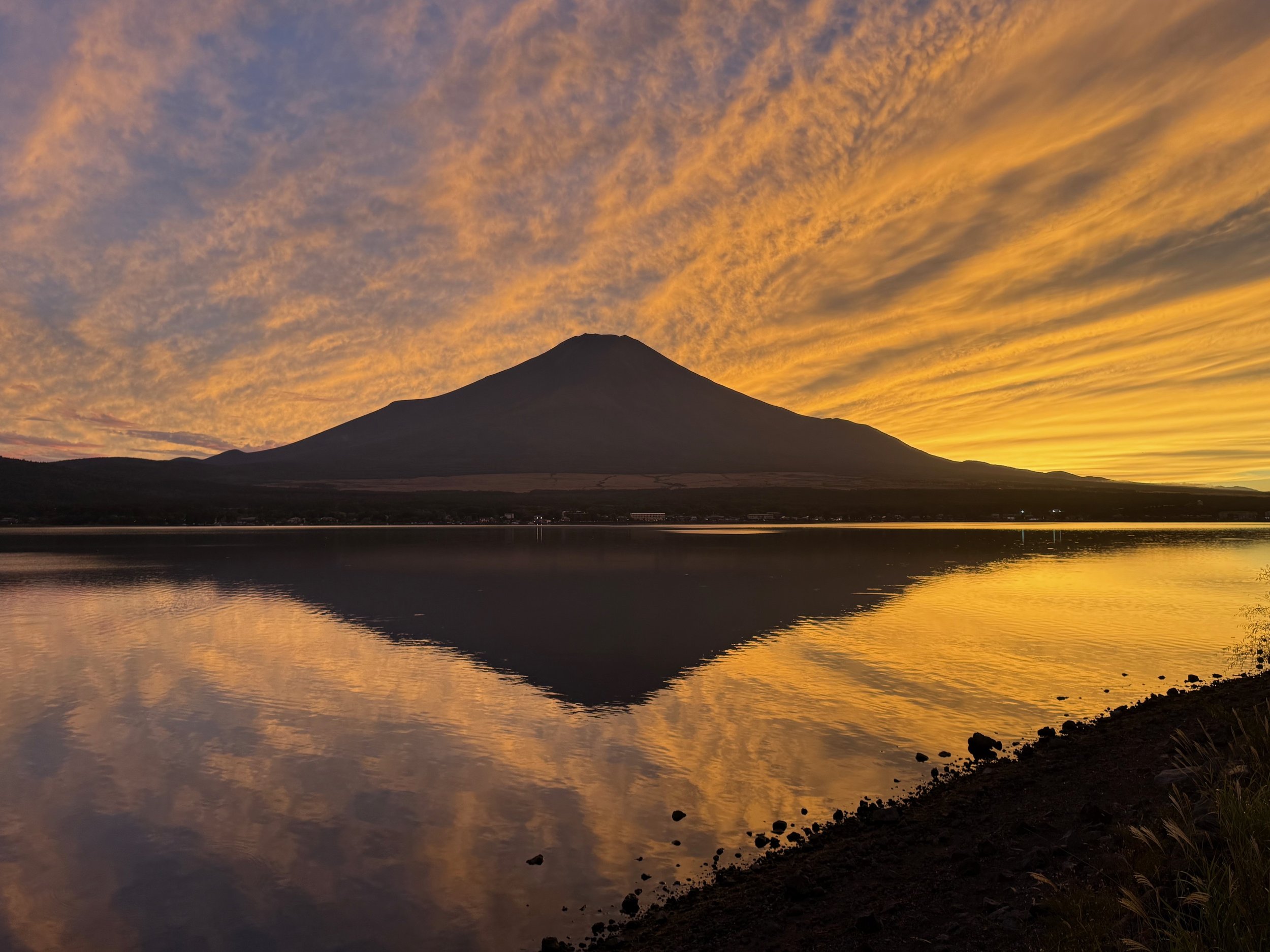
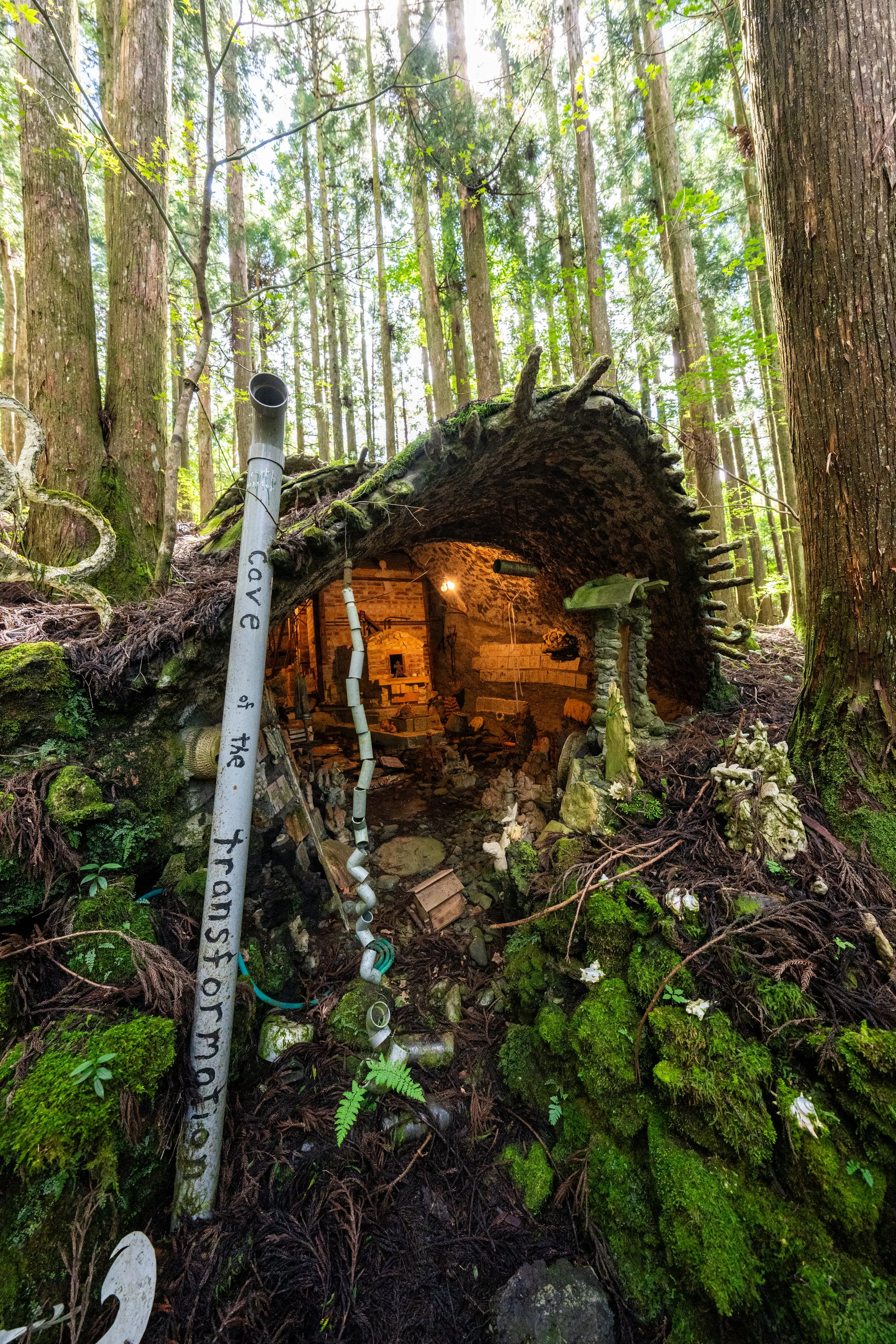
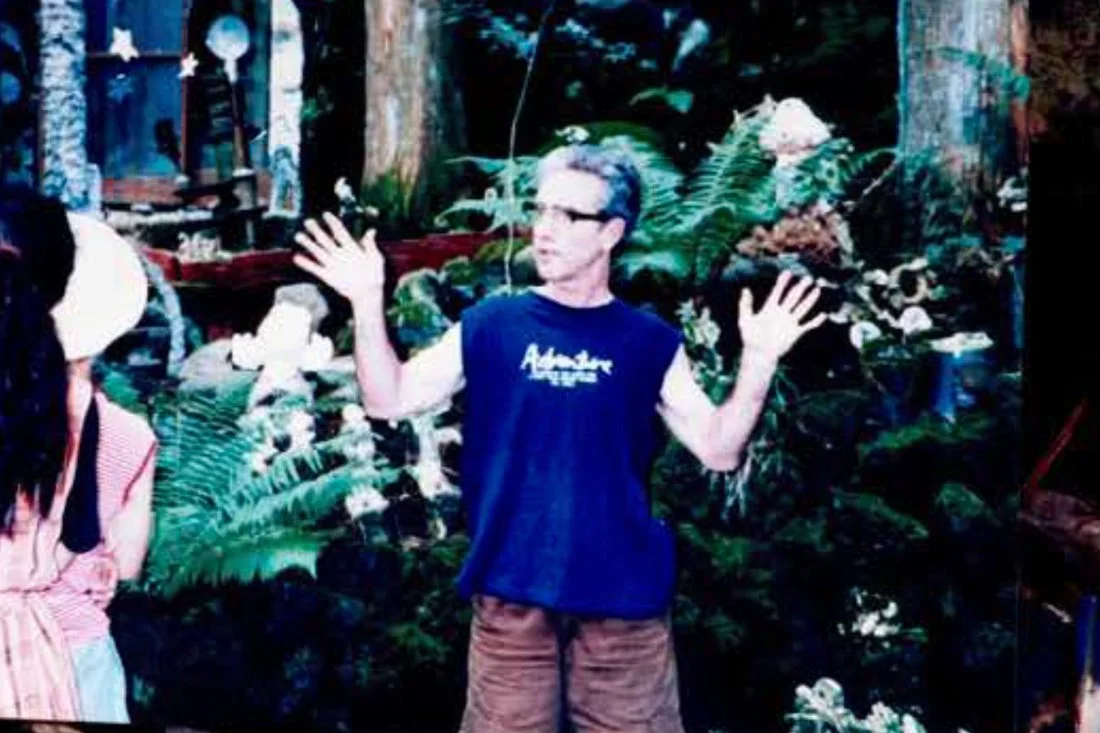
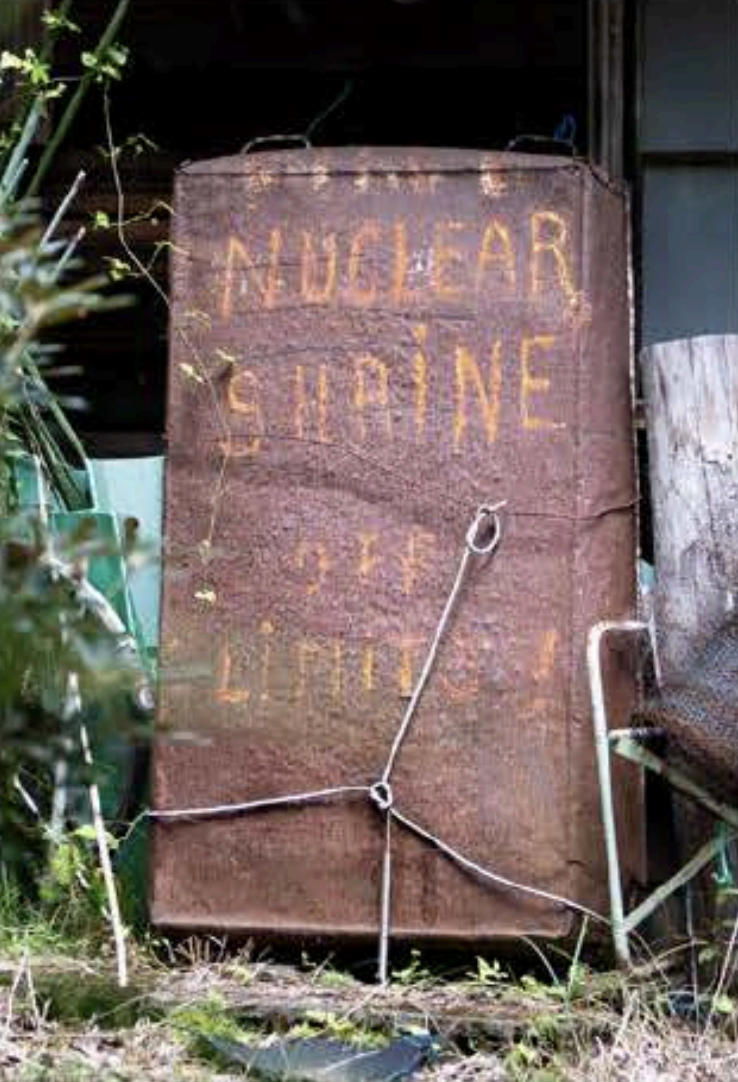
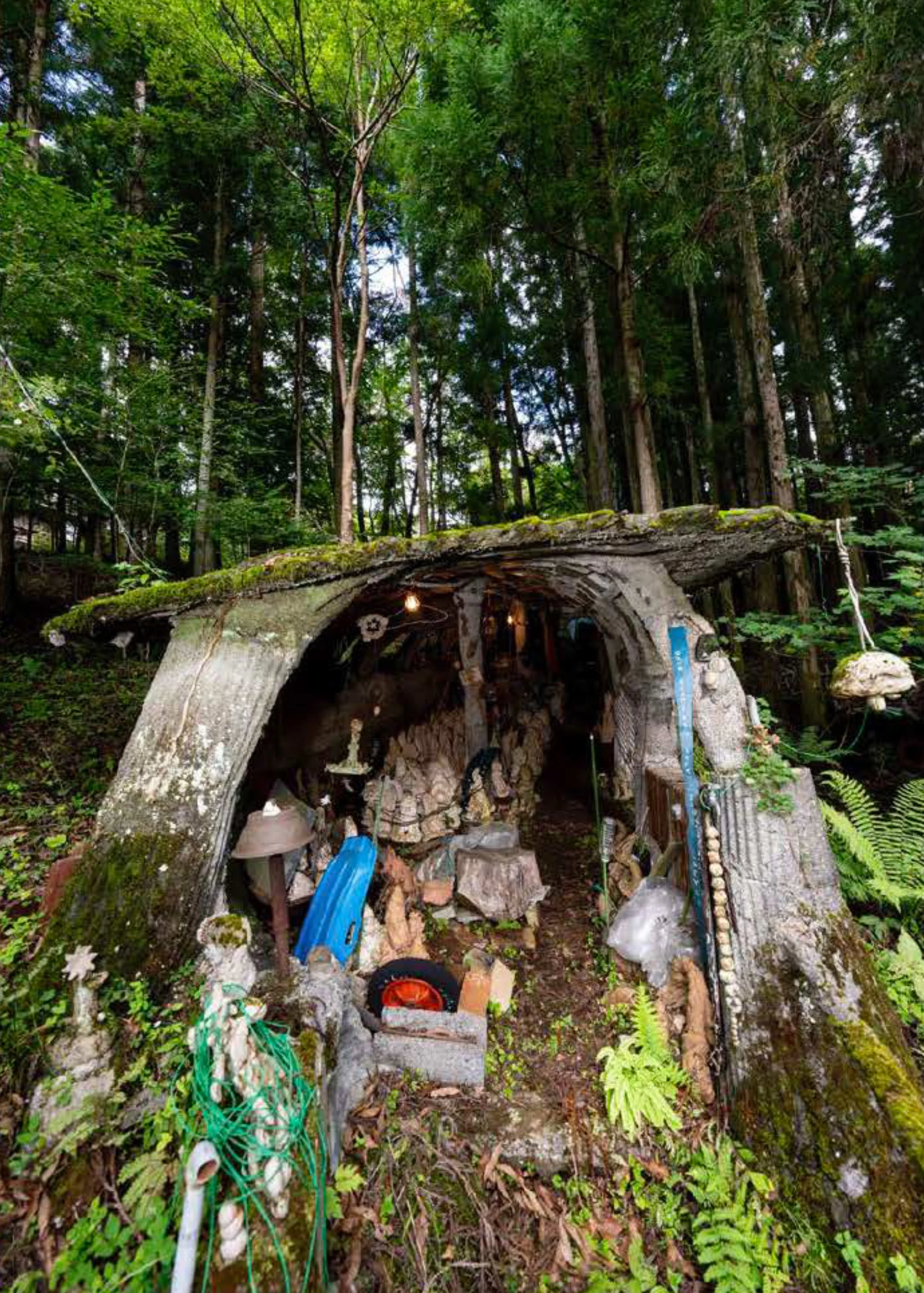
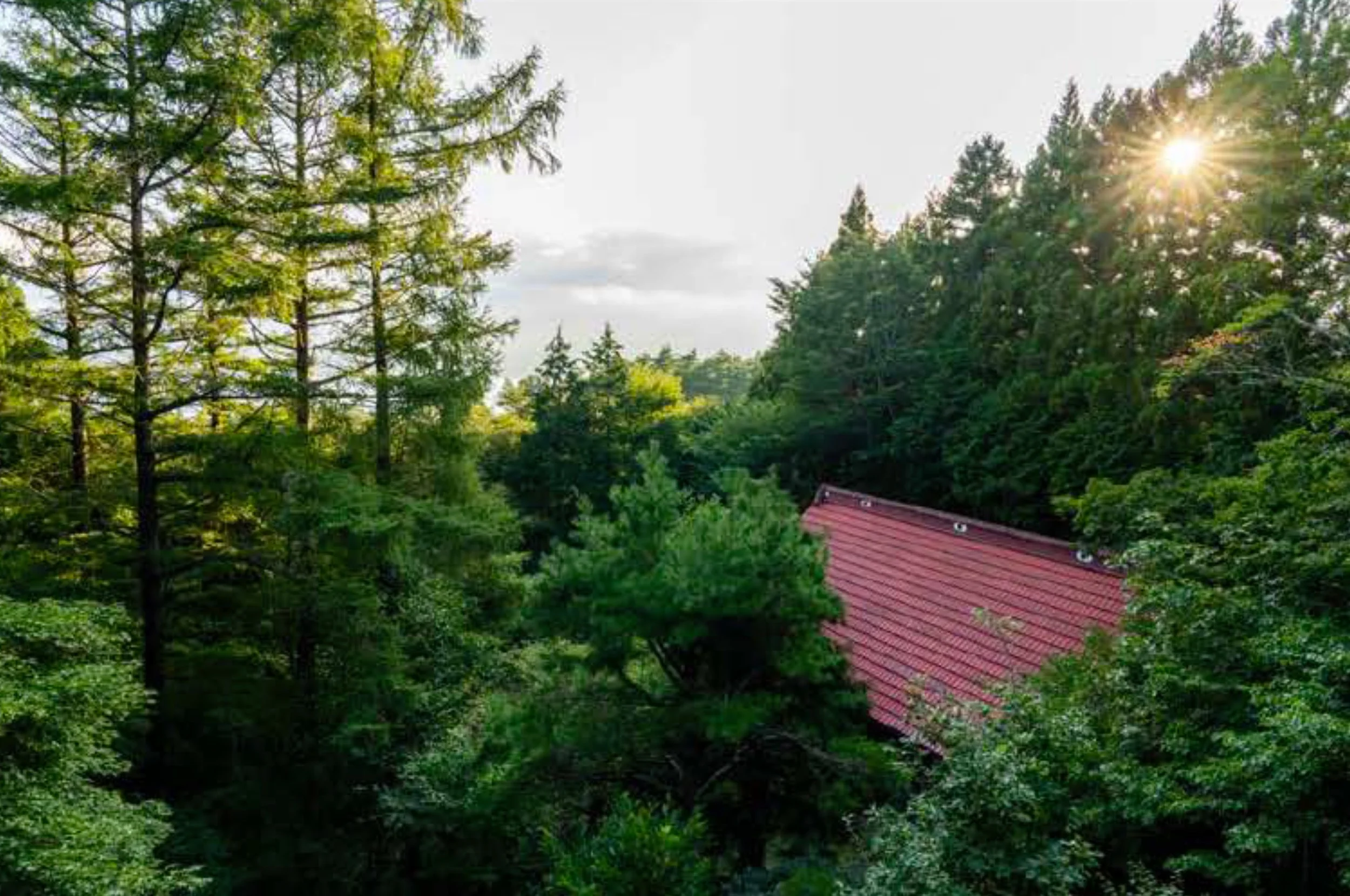
Photos provided by Hubbell Family
At the heart of Bert’s work was, in his words,"how to make Animism Relevant." Animism—the idea that every element of the natural world carries its own spirit. According to Bert, Animism had never gone away, but instead has been increasingly suppressed and buried and “sooted out with the combustion of myriad engines puffing out king oil."
Bert took joy in looking at the world as alive with unpredictable eternal spirit. He developed a vocabulary and art practice around what realizing animism looked like in modern Japan. He drew on what he understood of modern Japanese Shinto practices and looked towards ancient cultures like the Jōmon of early Japan history.
Over the years, Bert crafted thousands of clay sculptures that he referred to as “Mother Earth” figures, each embodying this living connection to nature. Together they form what he named the “Soul Garden,” a quiet gathering of forms that seems to breathe with the landscape around them. A sense of his poetry blossoms in every corner, exploring the sacred and the fragile, the fury of natural disasters, the tension between spirit and technology, the shadow of nuclear war, and the toll of human progress. His great nephew writes, “[Bert’s] work was a prayer for all these things. The hundreds of sculptures and clay figures throughout the ‘Soul Garden’ protect the world from the harms that come with civilization, and pray that humans can find the good.”