In many ways, James and Bert Hubbell were living parallel lives on opposite ends of the Pacific Ocean, each creating art every single day and devoting their passions to peace.
The story of Bert Hubbell and his brother James Hubbell is one of remarkable artistic devotion, shared philosophy, and enduring family connection. Although they spent most of their adult lives separated by the Pacific Ocean, each developed a deeply personal creative language that reflected a common belief: art is far more than an object—it is a way of understanding the world, nurturing the human spirit, and restoring balance in times of uncertainty.
Born during the 1930s and shaped by the aftermath of World War II and the dawn of the atomic age, the Hubbell brothers rejected the prevailing artistic trends of their generation. Rather than pursuing modernism, they followed independent paths guided by craftsmanship, mythology, spirituality, and a profound reverence for the natural world. Their lives unfolded in different cultures, yet their artistic visions remained strikingly aligned.
Bert Hubbell: An Independent Vision in Japan
Bert Hubbell settled within sight of Mt. Fuji, where he lived and worked for more than fifty years. Immersed in Japanese culture, Bert found inspiration in Shinto, Animism, Native American traditions, and Japanese folklore. He embraced the description "primitive artist," not as a rejection of sophistication, but as an affirmation of instinct, symbolism, and humanity's ancient relationship with nature.
Although he experimented with painting, drawing, and found-object assemblage, Bert devoted himself most passionately to ceramic sculpture. His extraordinary menagerie of creatures—part guardian, part spirit, part dream—evokes the mysterious world of Japanese yōkai while remaining unmistakably his own. These expressive figures often seem playful at first glance, yet they embody deeper psychological themes. Through exaggerated forms, expressive faces, and imaginative symbolism, Bert transformed fear, anxiety, loneliness, and vulnerability into objects of reflection, resilience, and healing.
Unlike many artists, Bert rarely exhibited publicly and chose never to sell his work. He created simply because making art was essential to his life. His home became a world unto itself, filled with thousands upon thousands of sculptures that documented an intensely personal creative journey spanning decades.
James Hubbell: Building Beauty, Living Purpose
While Bert established life in Japan, his brother James transformed the rolling hills in Santa Ysabel, California, into the Ilan-Lael Foundation, an extraordinary environment where architecture, sculpture, stained glass, mosaics, poetry, and landscape became inseparable. Beginning in 1958, he and his wife Anne, alongside their growing family, slowly created a collection of hand-built studios and homes designed to emerge organically from the surrounding landscape. The Hebrew name Ilan-Lael—often translated as "a tree that belongs to God"—reflects James' belief that art should reconnect people with nature, community, and the sacred. Today the Ilan-Lael Foundation preserves this legacy as a center for arts education, cultural exchange, and environmental stewardship.
James drew inspiration from San Diego's diverse landscapes, the Pacific coastline, and cultures throughout the Pacific Rim. His work extended far beyond the studio into architecture, public art, international collaborations, and community-building projects. Throughout his career he championed the idea that artists have a unique responsibility to help societies imagine more harmonious ways of living, often citing the English poet and artist William Blake as a kindred spirit whose vision united imagination, philosophy, and spiritual inquiry.
A Shared Compulsion to Create
One of the most astonishing parallels between the brothers is the immense scale of their artistic production.
James Hubbell's personal archive contains more than 20,000 artworks—including paintings, sculpture, stained glass, drawings, journals, and architectural studies—with countless additional works residing in museums, public spaces, and private collections around the world. The Ilan-Lael Foundation continues to preserve and share this vast body of work through exhibitions, publications, and educational programs.
Bert Hubbell left behind an estimated 28,000 individual ceramic sculptures, together with thousands of drawings, paintings, and assemblages. Despite this extraordinary output, he remained almost entirely outside the commercial art world.
Both brothers were inspired to relentlessly create for the long duration of their lives. Art was a lifelong conversation with imagination, nature, and the human condition.
Letters Across an Ocean
Although separated by thousands of miles, Bert and James maintained a close intellectual relationship through frequent correspondence. During the final sixty years of their lives, James and Bert only visited in person one time, yet the brothers exchanged letters with remarkable consistency.
Their correspondence reveals two artists continually exploring questions about creativity, spirituality, philosophy, family, and humanity. They challenged one another's ideas, shared encouragement during difficult periods, and remained trusted confidants despite living in vastly different cultural worlds. Their letters stand as an extraordinary record of a lifelong dialogue between two independent thinkers whose artistic paths continually intersected through words.
Their Final Goodbye
In 2024, James encouraged his grandsons, who were traveling in Japan, to visit their great-uncle Bert. When they arrived at his longtime home, they discovered it empty. With the help of a Japanese friend, the family eventually located Bert in a hospital, where he was critically ill with pneumonia.
Near the end of their lives, the brothers shared one final video call. Neither was able to speak, yet they recognized one another immediately, smiling and waving across the immense distance that had separated them for so many years. It was a simple but deeply moving farewell between two men whose bond had endured for nearly a lifetime.
Within weeks of one another, both Bert and James Hubbell passed away in 2024.
Brothers in Arts
Presented by the Ilan-Lael Foundation and curated by James’s youngest son, Brennan Hubbell, Brothers in Arts: James Hubbell and Bert Hubbell offers the first comprehensive exploration of the brothers' parallel artistic journeys. The exhibition brings together James Hubbell's watercolors, stained glass, sculpture, poetry, journals, and architectural vision alongside Bert Hubbell's ceramic figures, paintings, drawings, and assemblages. Letters, photographs, journals, and personal sketches provide intimate insight into the lifelong dialogue that connected them.
Rather than presenting two separate careers, the exhibition reveals a shared philosophy expressed through different cultural landscapes. Together, their work demonstrates that creativity can transcend geography, language, and time.
Separated by an ocean yet united in purpose, Bert and James Hubbell devoted their lives to making art that embraced both light and darkness, creation and destruction, imagination and reality. Their enduring legacy reminds us that art is not merely something we produce—it is a way of seeing, of living, and of remaining connected to one another across even the greatest distances.
Visit the Oceanside Museum of Art's exhibit highlighting the two brothers and their work, open in San Diego from April 11th through September 6th, 2026.
Learn more about the Ilan-Lael Foundation here.
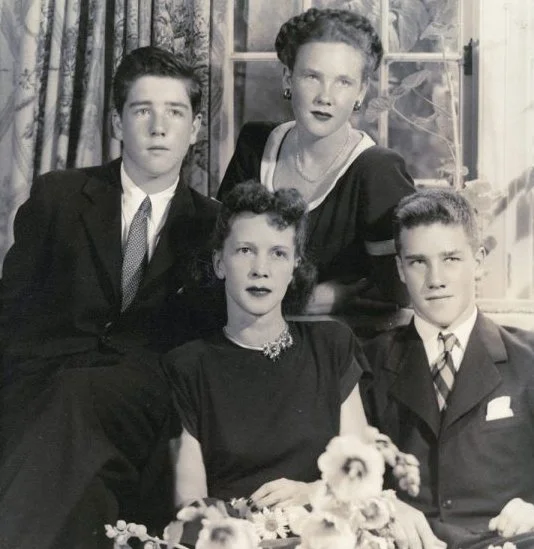
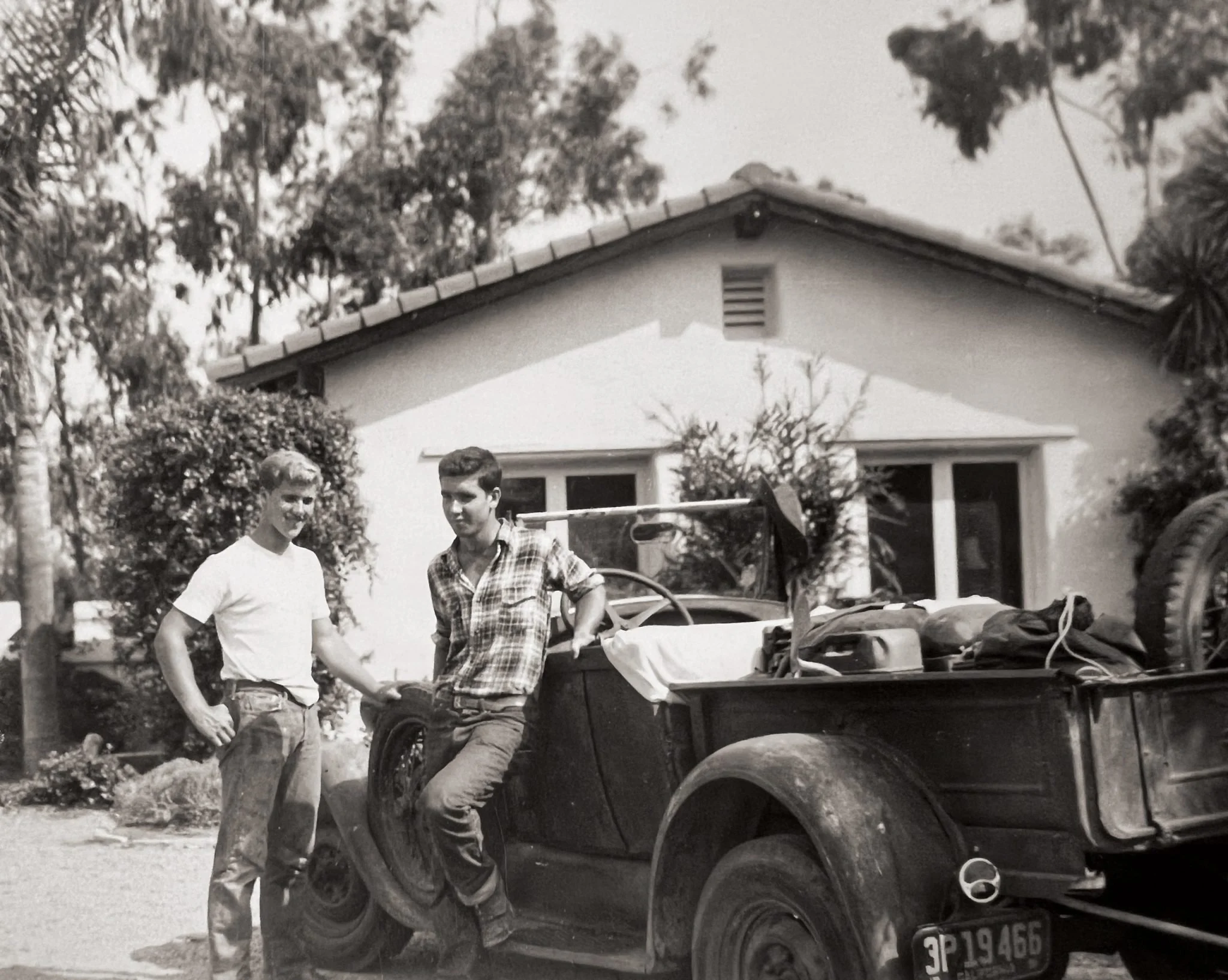
James and Bert
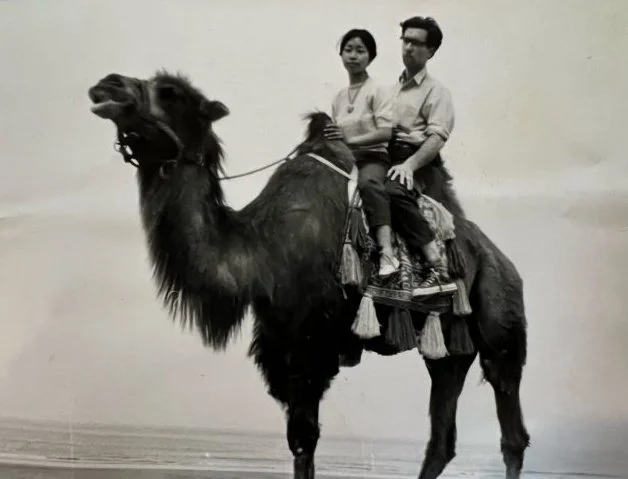
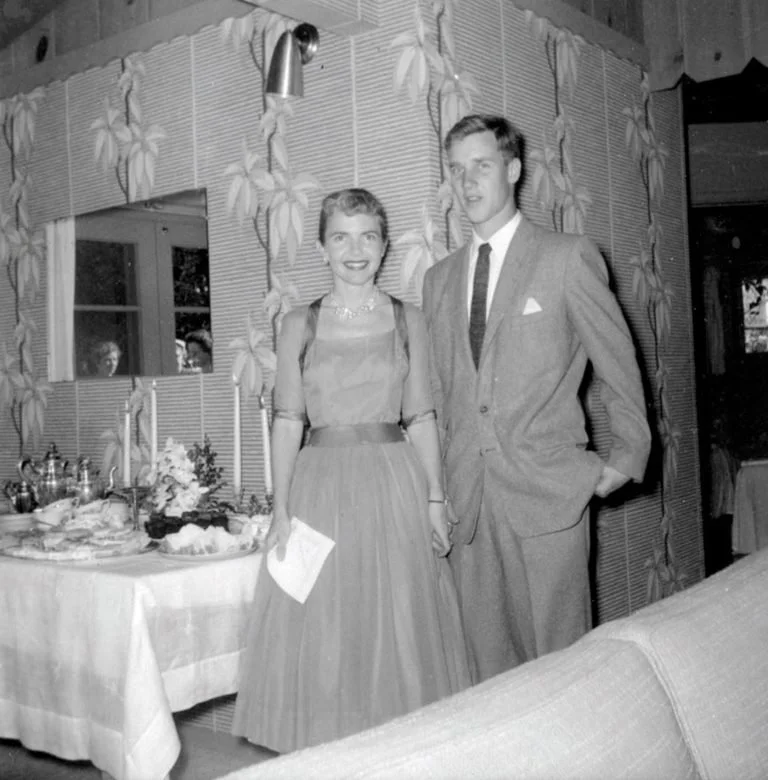
Bert & Hiroko on their travels. James & Anne on their wedding day. Above photos provided by Hubbell Family.
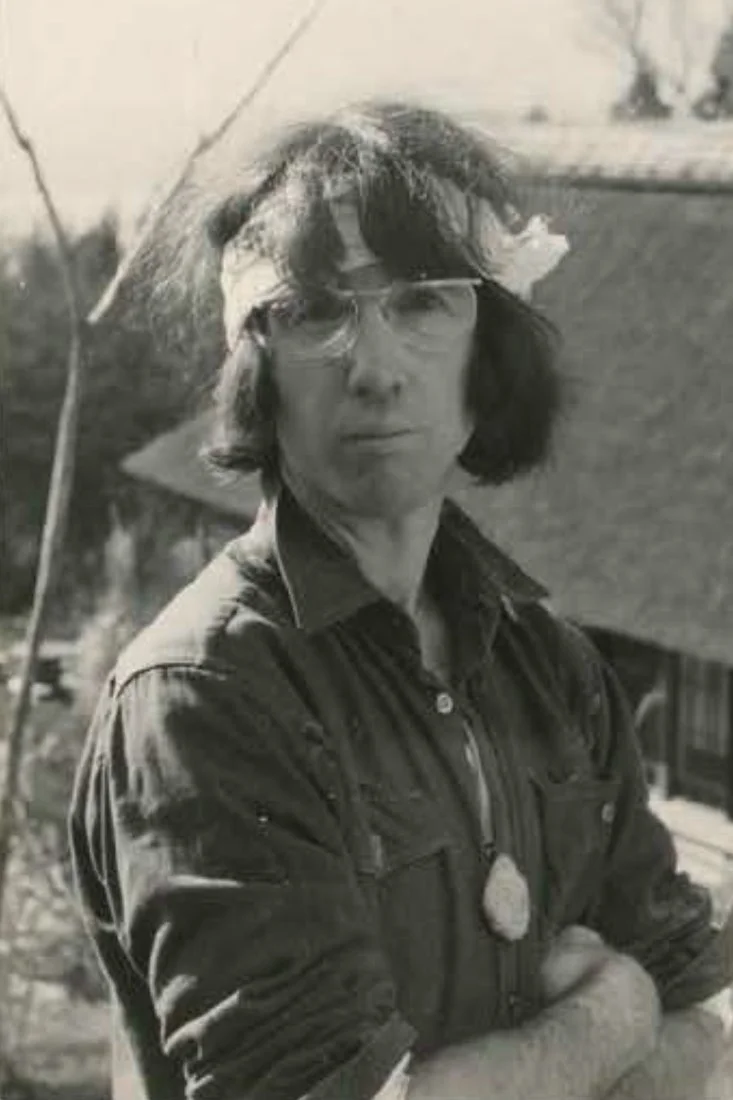
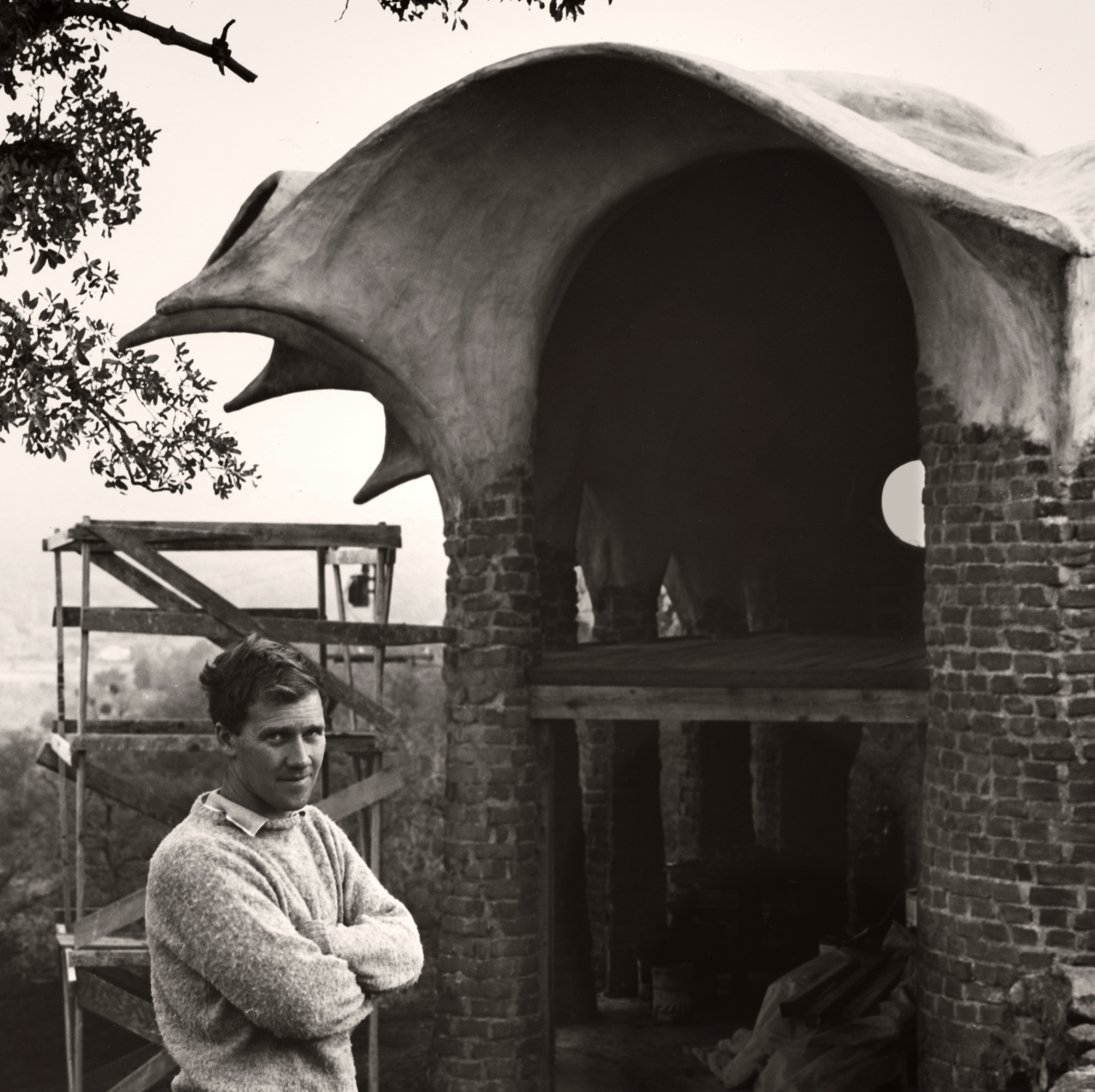
Photo of Bert. Photo of James in front of Ilan Lael’s Big Studio by John Waggaman.
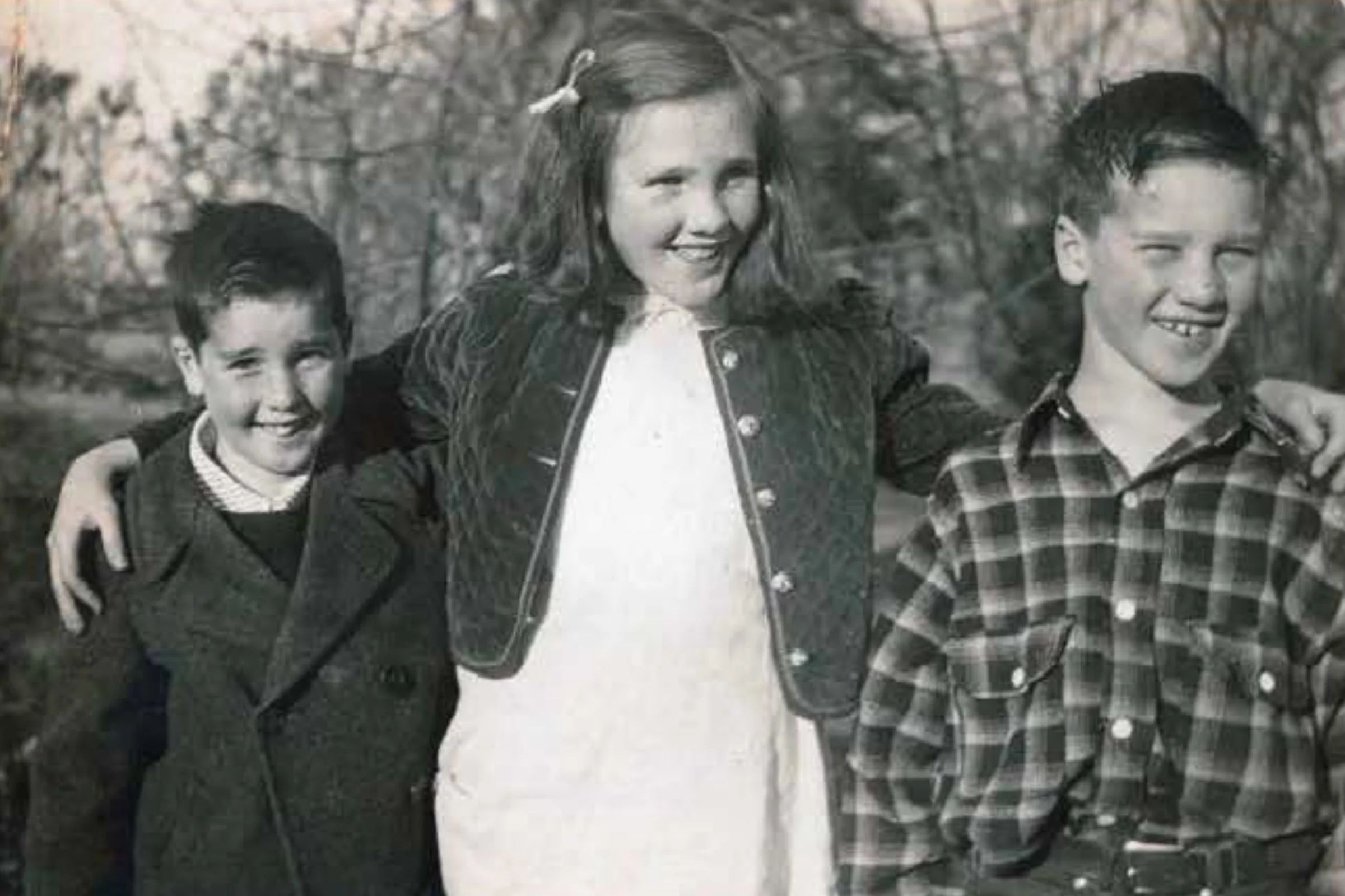
Hubbell Family: left to right, Bert, mother Julia, sister Roberleigh & James
Timelines:
James Townsend Hubbell 1931 – 2024
1931 – Born in Mineola, New York
1930s – Family relocates several times
1953–1956 – Served in the Army during the Korean War
1956 – Returned to San Diego
1957 – Married Anne Marie Dunning
1958 – Purchased property in Santa Ysabel, California
1960s – Developed his distinctive style
1970s – Expanded public art and architectural projects throughout California and Mexico
1978 – Founded the Pacific Rim Park Project, promoting cultural exchange through international public art
1982 – Ilan-Lael Foundation created
1983 – Completed Pacific Portal, Friendship Park, San Diego–Tijuana border
1980s–1990s – Designed major public sculptures, chapels, schools, residences, and community spaces throughout the United States and abroad
1990s – International collaborations expanded across Mexico, Japan, Russia, and other Pacific Rim nations
2008 – The Ilan-Lael property designated a California Historical Landmark
2024 – Passed away peacefully in California, May 17, 2024
Harry Albert Hubbell 1933 – 2024
1933 – Born in Mineola, New York
1949 – Traveled from Connecticut to Southern California
1952 – National Geographic Magazine assistant
1953 – Served in the Army during the Korean War
1955 – San Diego State College, philosophy major
1956 – Quaker, Native American work camps
1957 – Quaker nuclear weapons protest (volunteered on voyage of Golden Rule)
1958 – Traveled to Yokohama
1961 – Married Hiroko Onedera
1961 – Mother Earth figures emerge
1961 – Art Exhibition at Harry Franklin in Beverly Hills
1961 – Published first book “Zen in Photographs” (The Hokuseido Press)
1962 – Art exhibition at Nexus in La Jolla
1964 – Moved to Kyoto
1965 – Exhibition in Tokyo at Akihama Gallery
1968 – Moves to base of Mt.Fuji to build home and create art
1994 – NHK documentary shown about Albert Hubbell, details unknown
2024 – Passed away peacefully in Yamanakako, April 26, 2024